
 Benjamin Otu Effiwatt
Childhood trauma can impact all areas of your life—but it often shows up most clearly in your adult relationships.
Maybe you’ve noticed recurring patterns in your relationships or wondered why love seems to come easily for some people but not for you. If you grew up in a traumatizing environment, you were taught—through experience—how to give and receive love in ways that might not be healthy.
Let’s dive into how childhood trauma shows up in adult love. By understanding these patterns, you can begin to heal and build healthier, more fulfilling relationships.

What Is Childhood Trauma?
Childhood trauma can look different for everyone.
It might mean growing up with neglectful parents, experiencing emotional or physical abuse, living through your parents’ divorce, or enduring bullying.
Trauma affects more than just your memory. It can shape how your brain responds to stress and fear, and it may even affect how your brain develops compared to someone who didn’t experience trauma.
I discovered this when I first learned about attachment styles. Attachment theory explains that we develop ways of relating to others based on how our caregivers interacted with us as children.
Children who grow up with consistent love and support are more likely to feel safe and secure in adult relationships—they trust that their needs will be met. This is called a secure attachment style.
On the other hand, children who experience inconsistent affection, neglect, or emotional abuse may develop anxious, avoidant, or disorganized attachment styles, which can influence how they behave in adult romantic relationships.
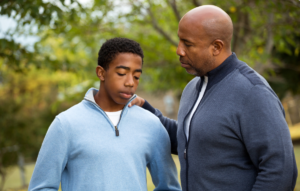
5 Ways Childhood Trauma Can Appear in Adult Relationships
You might think there are plenty of relationship challenges unrelated to trauma—and that’s true. But childhood experiences often leave distinct patterns in the ways we love. Here are some common ways trauma can show up:
1. Avoiding Intimacy
If you felt rejected, unsafe, or unwanted as a child, intimacy may feel scary.
Opening up to someone can feel terrifying when your past has taught you that closeness comes with pain. You might push people away when they get too close, even if you crave connection.
2. Obsessing Over Relationships
A chaotic upbringing can make you hyper-aware of potential danger in relationships.
You may read too much into your partner’s words or actions, including their silence. If they text a little later than usual, you might panic. This is called trauma anticipation, and it stems from a need to protect yourself developed in childhood.
Even though your partner isn’t likely to hurt you like someone did in your past, trauma can make you anticipate that possibility.
3. Self-Sabotage
Even in healthy relationships, trauma can make you act in ways that push your partner away.
You might start arguments for no reason, withdraw emotionally, or insist on space when it isn’t necessary. This self-sabotage often comes from a subconscious belief that you don’t deserve love or fear of getting hurt.
4. Trust Issues
Childhood trauma can make trusting someone feel nearly impossible. You might constantly doubt your partner’s intentions, fearing they’ll hurt or abandon you like someone did in your past.
Trust issues can create tension in relationships, but they usually stem from past experiences rather than the present situation.
5. Heightened Emotional Reactivity
Trauma can make you more emotionally reactive than others.
If your partner doesn’t respond immediately or you have a minor disagreement, you might feel deeply hurt, angry, or anxious. Small incidents can trigger intense emotions because they echo unresolved childhood experiences. Awareness of these patterns can help you separate past pain from present reality.
How to Heal From Childhood Trauma in Relationships
Learning how childhood trauma shows up in your relationships is important, but it’s only the first step. Healing is what allows you to change patterns and improve your love life.
1. Seek Therapy
If you recognize that your childhood has negatively affected your relationships, seeking professional support is invaluable.
Therapists trained in trauma-informed care can help you identify harmful patterns and teach tools to respond to triggers in healthier ways.
2. Become Mindful of Your Patterns and Triggers
Pay attention to how you react in your relationships.
If you find yourself arguing over something small, pause and ask: Is this reaction coming from the present situation, or from unresolved experiences in my past? Mindfulness doesn’t erase trauma, but it helps you respond consciously rather than automatically.
3. Communicate With Your Partner
When you notice these patterns in yourself, share them with your partner.
You don’t have to recount every detail of your childhood, but letting your partner know when something triggers old feelings can create understanding. Most people want to support you, and open communication allows you to work through challenges together.
4. Practice Self-Compassion
Healing from childhood trauma isn’t linear. You may have days when old patterns resurface, like unnecessary arguments or withdrawal.
Remind yourself that you are deserving of love and that you’re doing your best. Recognizing these reactions as trauma responses is a powerful act of self-compassion.

How Healing Childhood Trauma Changes Relationships
Understanding how childhood trauma manifests in your relationships is just the first step—the next is taking action.
As you work on healing, your relationships will begin to shift. You’ll learn to trust again, feel comfortable with intimacy, and stop pushing partners away.
Healing also allows you to redefine love. Childhood trauma can make love feel conditional or unpredictable. By healing, you can foster relationships that reflect the love and connection you want, rather than patterns from your past.
This process doesn’t just improve relationships with others—it also strengthens your relationship with yourself. You can feel secure, enjoy closeness, and experience love as a source of joy rather than survival.
Everyone’s healing journey is unique. Some people take years of therapy, while others supplement therapy with books, support groups, or meditation. There’s no “right” way to heal, but awareness of trauma’s effects is a powerful first step.

Final Thoughts
Childhood trauma can leave deep imprints on how we love as adults—but it doesn’t have to define your relationships. By learning how childhood trauma shows up in adult love, you can recognize patterns, respond differently, and begin to heal. Healing takes patience, self-compassion, and sometimes professional support—but the reward is transformative. You can build relationships that are healthy, loving, and secure. You can learn to trust, open your heart, and enjoy intimacy without fear.
Most importantly, healing allows you to love yourself fully. Your past may have shaped you, but it doesn’t dictate your future. Every small step you take toward understanding and growth is a step toward deeper connection, not just with others, but with yourself.
Love is no longer something you survive—it becomes something you experience, cherish, and grow from.
Save pin for later

- 10 Self-Care Tips Every Woman Needs After a Toxic Relationship - March 11, 2026
- Top 10 Marriage Quotes - March 11, 2026
- 7 Reasons You Keep Going Back to Toxic Partners - March 11, 2026